Why It's Time to Ditch the Pager for SMS
 Simple Host Team
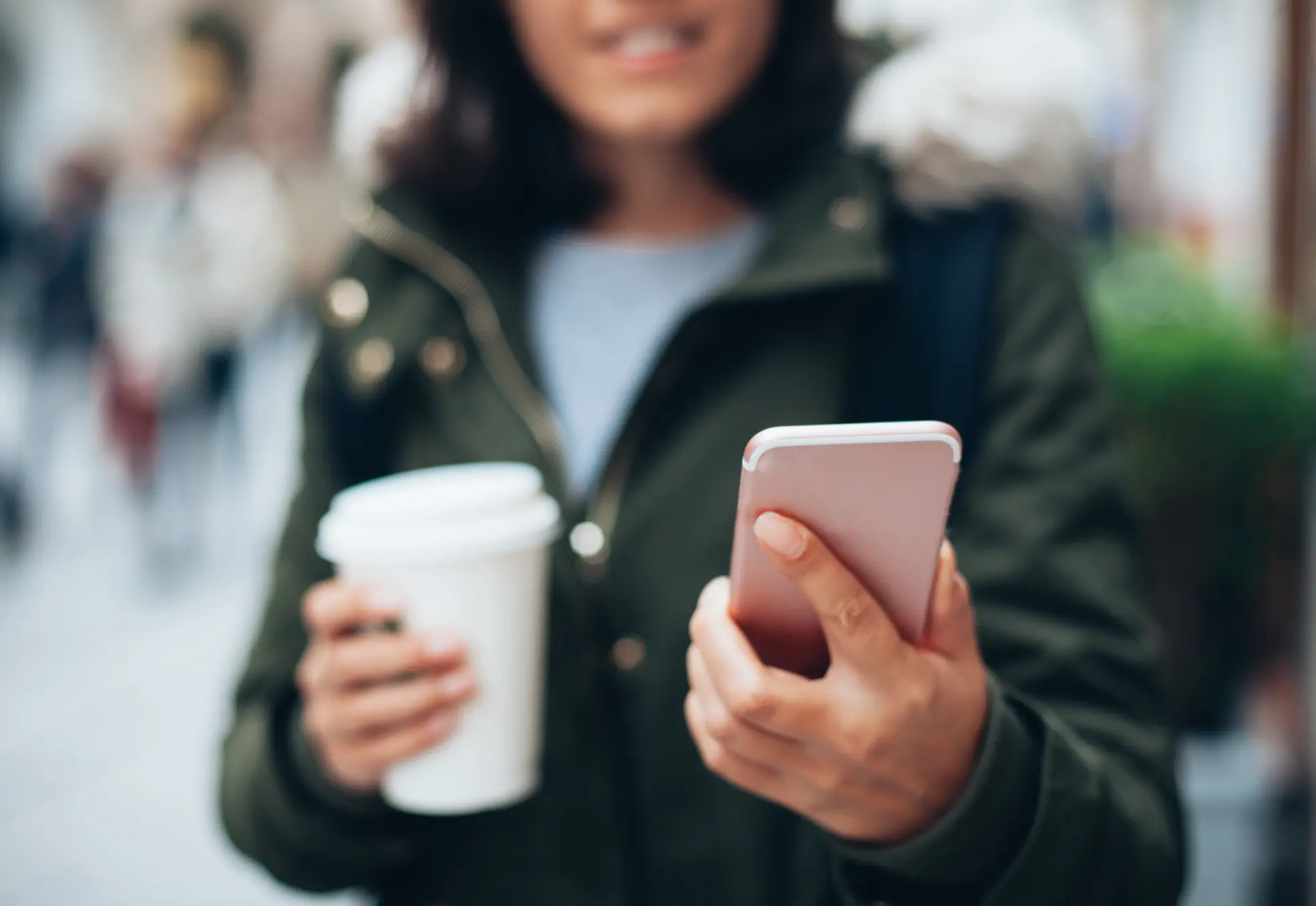
You know those chunky plastic pagers that light up and vibrate when a table is ready? They've been a fixture in casual dining for decades. And honestly, it's kind of wild that so many restaurants still use them in 2025. Here's why SMS is the better choice—and it's not even close.
Pagers Had Their Moment
Let's give credit where it's due. When pagers first showed up in restaurants, they were genuinely clever. Hand someone a buzzer, let them wander the parking lot or nearby stores, and buzz them when their table is ready. No yelling names across a crowded lobby. No guests missing their turn because they stepped outside for some air.
But that was the 90s. Maybe the early 2000s. Back then, not everyone had a cell phone in their pocket. Texting cost money. The pager made sense.
Fast forward to today, and the situation is completely different. Everyone has a smartphone. Texting is free. And yet, I still walk into restaurants and get handed a sticky, scratched-up coaster that's been touched by a thousand strangers. There's a better way.
The Hidden Costs of Pagers
Most restaurant owners don't realize how much those pagers actually cost until they sit down and add it up.
- Upfront investment: A decent pager system runs $1,500 to $3,000 for the base station plus 15-20 pagers. Need more? That's another $30-50 per pager.
- Replacements: Pagers break. They get dropped, stepped on, left in the rain, or just stop working. Most restaurants replace 20-30% of their pagers every year.
- Batteries: Rechargeable batteries wear out. Replaceable ones add up. Either way, someone has to manage it.
- Theft and walkoffs: Guests forget to return them. Some just take them. That's $40 walking out the door every time.
- Sanitization: Post-2020, guests notice when you hand them something that 50 other people touched today. Someone has to wipe down every pager between uses.
Add it all up and you're looking at hundreds of dollars a year in ongoing costs for a system that does exactly one thing: buzz someone.
The Math Is Simple
If you're spending $500/year maintaining pagers when SMS costs a fraction of that per text, you're paying extra for a worse experience. That money could go toward almost anything else.
The Range Problem
This is the one that really gets me. Pagers have a range of maybe 500 feet on a good day. Less if there's interference, thick walls, or you're in a strip mall with a lot of competing signals.
So what happens when a guest walks next door to grab a coffee? Or sits in their car because the lobby is packed? Or takes a quick walk around the block because you quoted them 45 minutes?
They're out of range. The pager doesn't buzz. They miss their table. Now you've got an open table, a missing guest, and the next party in line is getting antsy.
SMS doesn't have this problem. Text messages work anywhere there's cell service, which is basically everywhere. Guest walks to the coffee shop two blocks away? They get the text. They walk back. Done.
What Guests Actually Want
Here's something that surprised me when I started paying attention: guests don't like pagers. They tolerate them because that's what restaurants use, but given the choice, most people would rather just get a text.
Think about it from their perspective:
- Pagers are bulky: Where do you put it? Your pocket? It's too big. The table? Now you're watching it like a hawk.
- Pagers tie you down: You can't go far. You're basically stuck in the immediate area, hoping the thing buzzes before you die of boredom.
- Pagers feel dated: For younger guests especially, there's something almost absurd about being handed 20-year-old technology to do something a text message could do better.
Meanwhile, SMS lets guests go about their business. They can browse nearby shops, wait in the car with the AC running, or check out the brewery down the street. When their table is ready, their phone buzzes. Their actual phone, the one they already check 100 times a day.
"Switching to SMS notifications was one of those changes where guests immediately noticed. People would say 'oh nice, I don't need to carry that thing around.' Small thing, but it adds up." — Restaurant Owner, Portland
Two-Way Communication Changes Everything
A pager is a one-way device. You can buzz someone, and that's it. They can't buzz you back.
SMS opens up actual conversation. Guests can reply. They can let you know they're running late, or that they need to cancel, or that they're on their way. Your host doesn't have to wonder if someone's coming back or if they walked off—they can just look at the message.
This matters more than you'd think. On a busy night, knowing which guests are definitely coming versus which ones have gone silent helps you manage your waitlist way more effectively. You can fill tables faster because you're not waiting around for no-shows who never bothered to tell you they left.
No More Hardware Hassles
There's something to be said for not having stuff. Pagers are stuff. They need to be stored, charged, organized, cleaned, and tracked. Someone has to count them at the end of the night. Someone has to notice when one goes missing. Someone has to deal with it when one breaks.
SMS is just software. There's nothing to maintain, nothing to break, nothing to lose. Your hosts collect a phone number instead of handing out a pager. That's it. The system handles the rest.
And when you're running a restaurant, fewer things to manage is always better. You've got enough on your plate without babysitting a drawer full of old pagers.
The Hygiene Factor
After COVID, a lot of guests started paying attention to what they touch. Handing someone their own phone notification instead of a shared plastic device is just cleaner. It's a small thing, but guests notice.
But What About Guests Without Phones?
This comes up sometimes. What if someone doesn't have a cell phone?
Honestly? It's rare. Really rare. According to Pew Research, 97% of Americans own a cell phone of some kind. But for the occasional guest who doesn't have one, you can always take a name and find them the old-fashioned way. Most waitlist systems let you add guests without a phone number and just mark them as "in-lobby."
You don't need to keep an entire pager system around to handle the 3% case. Handle exceptions as exceptions.
Making the Switch
If you're still running pagers, switching to SMS is probably easier than you think. Most modern waitlist apps have text notifications built in. You download the app, set up your account, and start collecting phone numbers instead of handing out buzzers.
The first night might feel a little different—change always does. But within a week, your hosts won't miss the pagers. Neither will your guests. And you'll have one less headache to deal with.
The Bottom Line
Pagers solved a real problem back when nobody had cell phones. That was a long time ago. Today, SMS does everything pagers do, but better. It's cheaper, cleaner, more reliable, and guests actually prefer it.
If you're still handing out those buzzing coasters, it's worth asking yourself: why? The tech has moved on. Maybe it's time your waitlist did too.
Ready to ditch the pager?
Simple Host includes SMS notifications, two-way messaging, and online waitlist joining—no hardware required. Try it free for 7 days.
Start Free Trial
Simple Host Team
The Simple Host team is made up of restaurant industry veterans and tech experts dedicated to making restaurant management easier for everyone.